



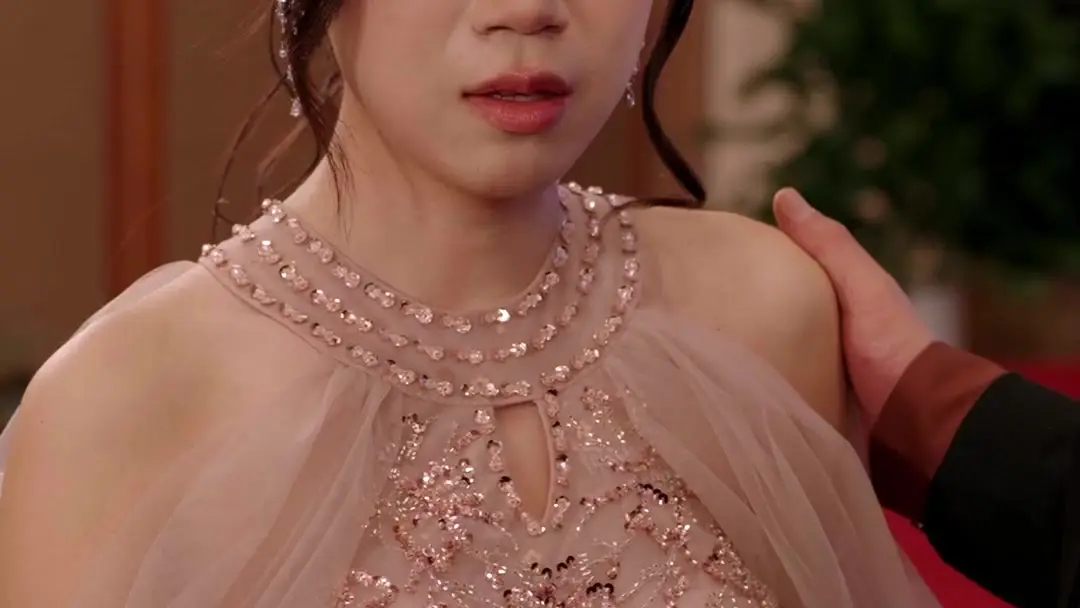
 2026-08-25 ⦁ By NetShortBye, Jerk! I'm the Boss Lady! The Red Carpet Betrayal That Shattered Three LivesThe scene opens like a high-society gala—crisp lighting, plush carpeting, champagne flutes clinking in the background—but beneath the glittering surface, someth
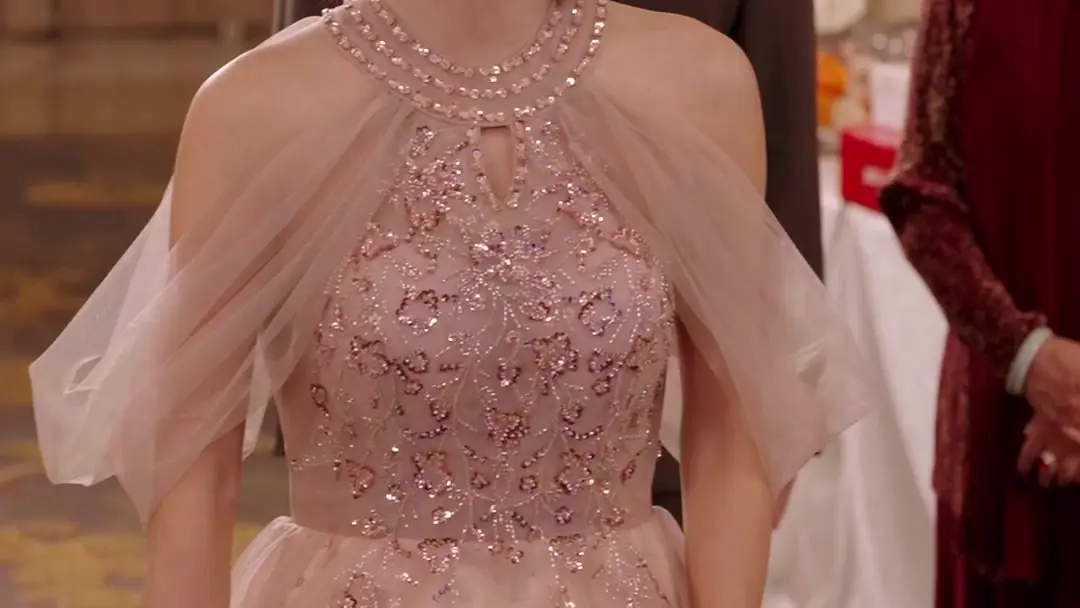 2026-08-25 ⦁ By NetShortBye, Jerk! I'm the Boss Lady! The Birthday Banquet That Shattered a DynastyThe grand ballroom of the Lin Shi Ji Tuan headquarters glows under crystal chandeliers, its ornate carpet swirling like a storm about to break—yet no one expect
 2026-08-25 ⦁ By NetShortBye, Jerk! I'm the Boss Lady! The Banquet That Shattered a DynastyIn the gilded cage of a banquet hall—chandeliers dripping crystal light, carpet swirling in gold-and-brown arabesques, tables draped in ivory linen like altars
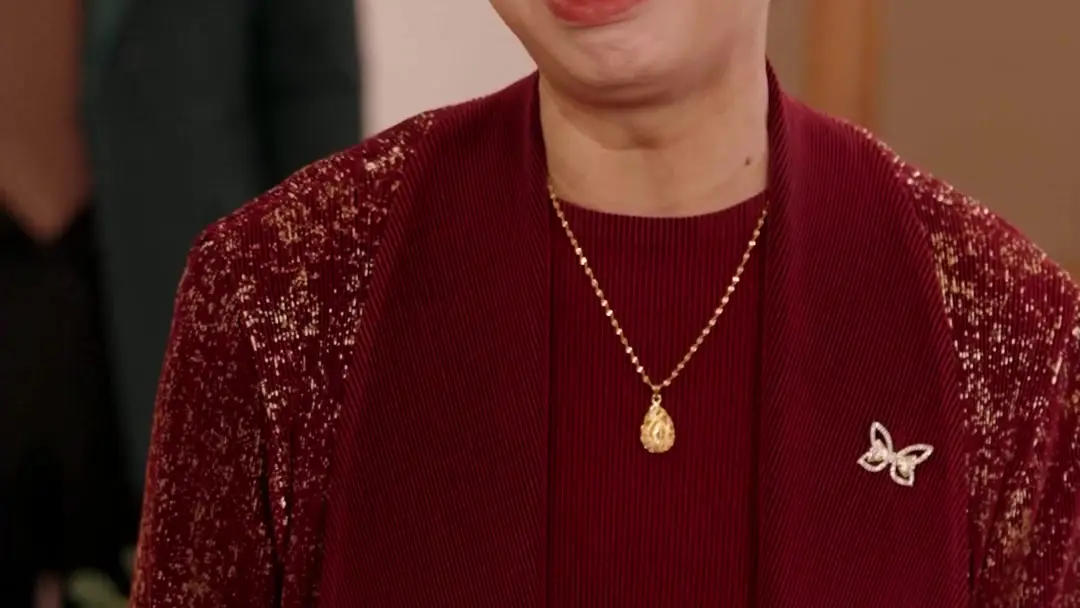 2026-08-25 ⦁ By NetShortBye, Jerk! I'm the Boss Lady! The Birthday Banquet That Imploded in 90 SecondsLet’s talk about that moment—yes, *that* moment—when the elegant birthday celebration for Lin Yue turned into a full-blown emotional earthquake. You know the ki
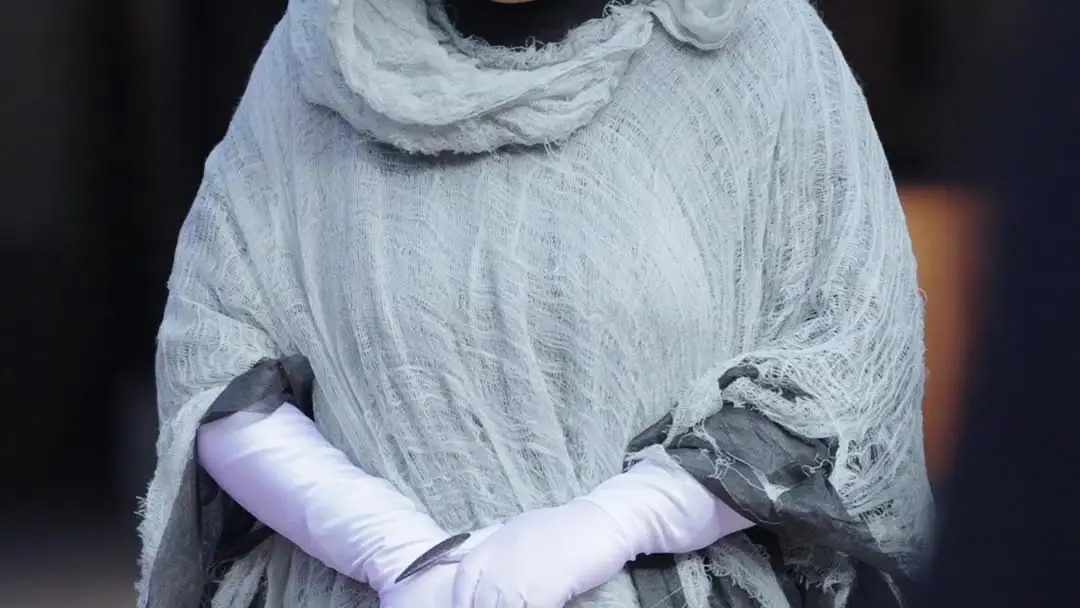 2026-08-25 ⦁ By NetShortBlind? He's one of a kind! The Crimson Veil and the Ashen ProphetIn the courtyard of an old Qing-era mansion—where red lanterns sway like silent witnesses and carved wooden doors whisper forgotten oaths—a confrontation unfold
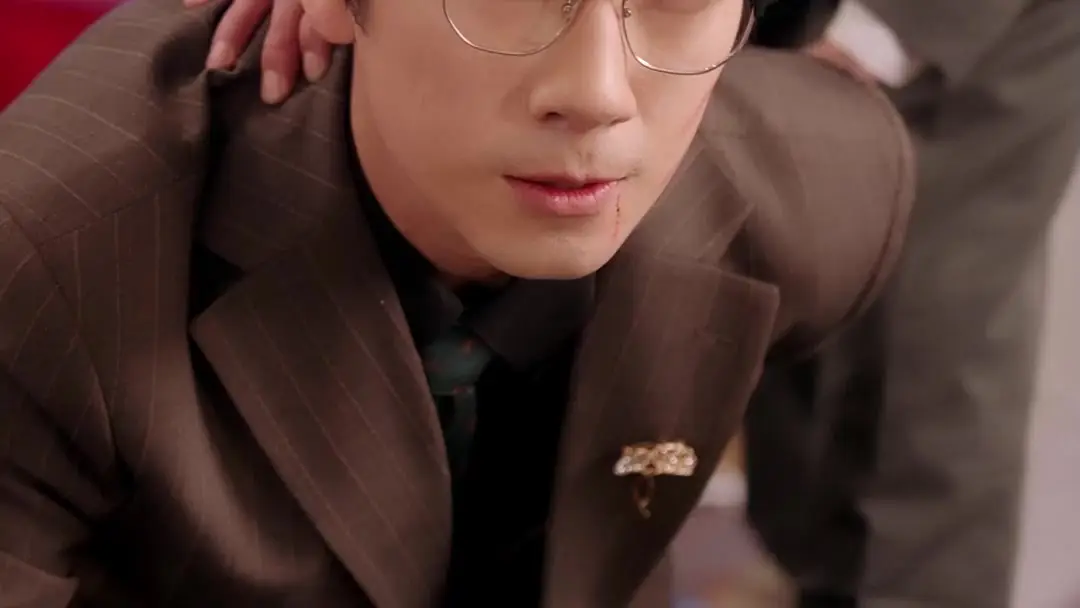 2026-08-25 ⦁ By NetShortBye, Jerk! I'm the Boss Lady! The Bloodstain That Rewrote the Birthday GalaIn the gilded hall of a high-end banquet venue—where crystal chandeliers cast soft halos over ivory tablecloths and floral centerpieces arranged like miniature
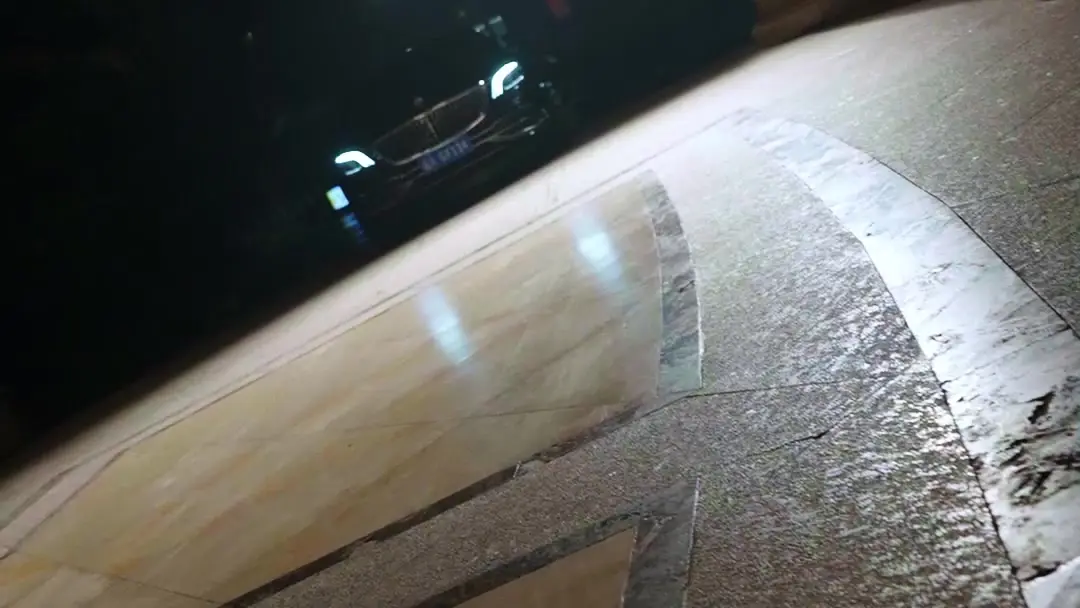 2026-08-25 ⦁ By NetShortBye, Jerk! I'm the Boss Lady! The Chandelier Tears That Shattered the GalaThe night begins not with music or laughter, but with the low, resonant hum of a Maybach’s engine cutting through silence—like a predator entering its domain. T
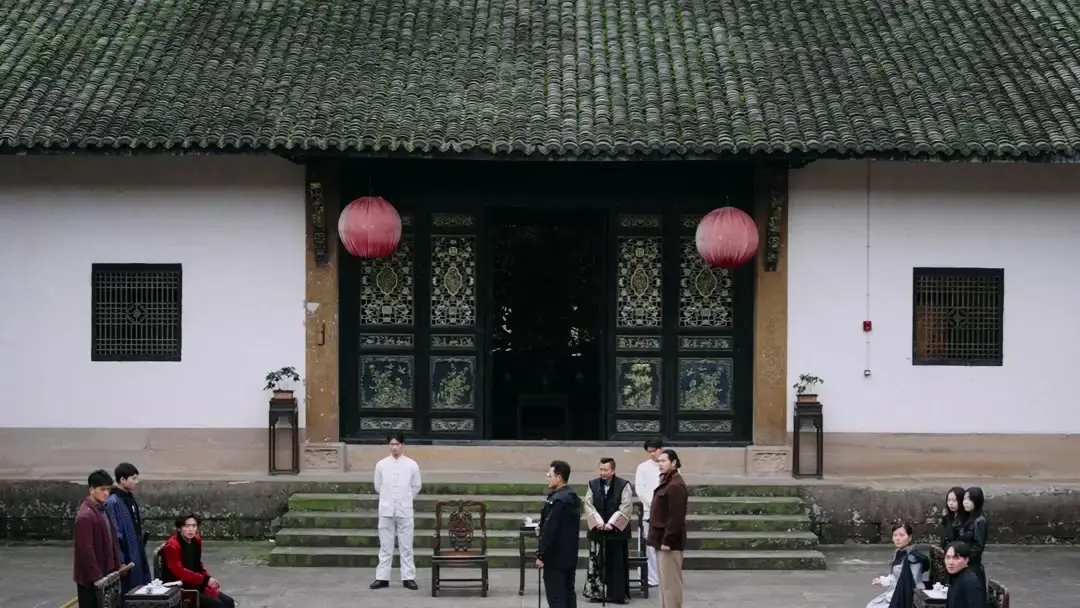 2026-08-25 ⦁ By NetShortBlind? He's one of a kind! The Crimson Gambit and the Silent DuelIn the quiet courtyard of an old Sichuan-style mansion—tiles weathered, red lanterns swaying like silent witnesses—the air hums with tension thicker than incens
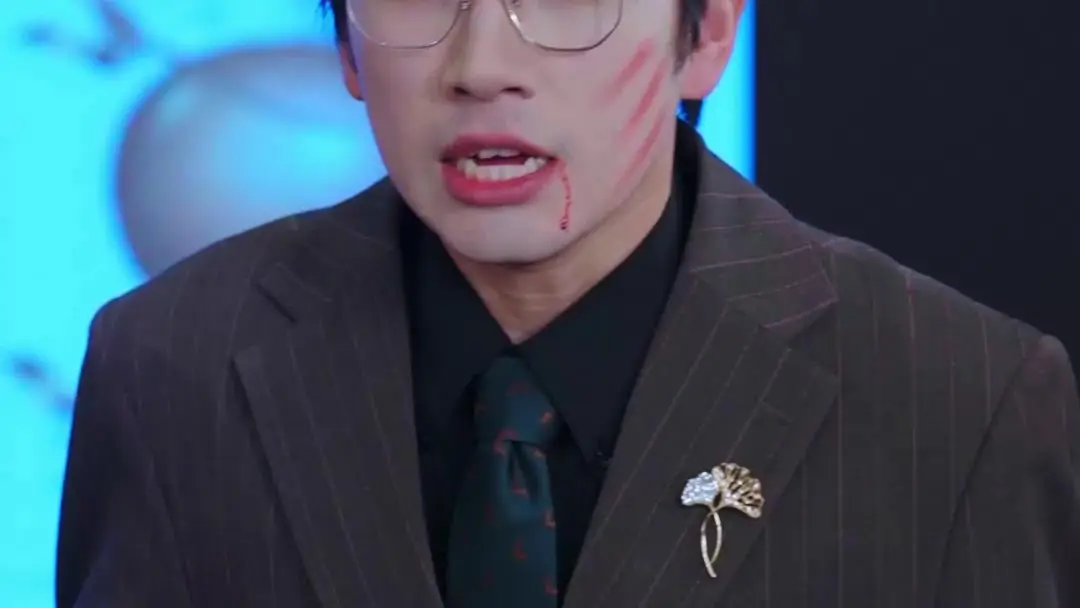 2026-08-25 ⦁ By NetShortBye, Jerk! I'm the Boss Lady! The Champagne Tower Collapse That Exposed a Dynasty’s CracksIn the glittering, high-ceilinged banquet hall of what appears to be a corporate gala or perhaps a wedding reception—though the tension suggests something far m
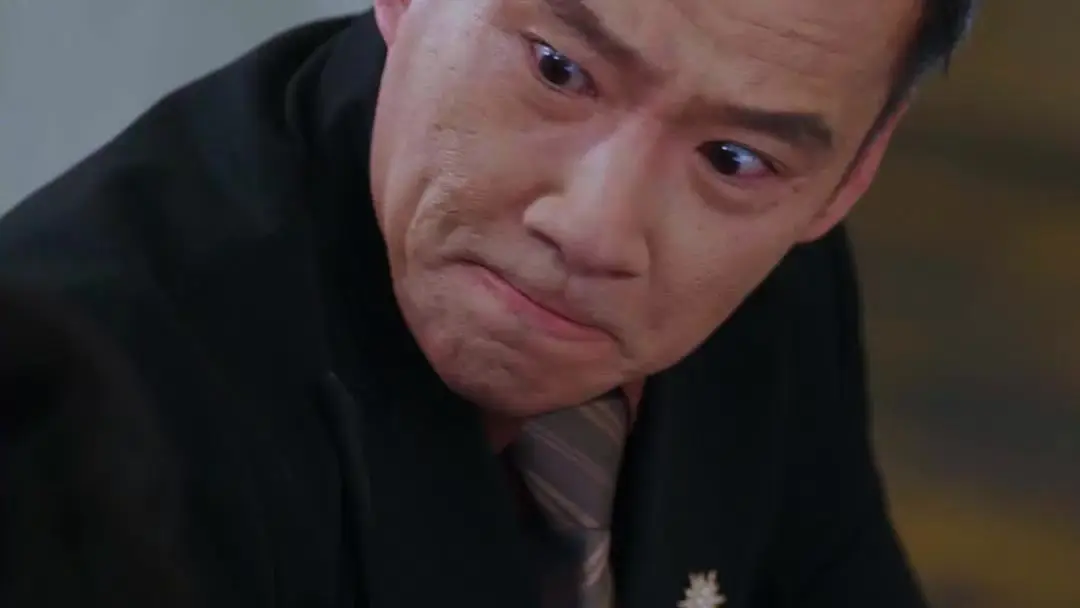 2026-08-25 ⦁ By NetShortBye, Jerk! I'm the Boss Lady! The Birthday Banquet That Imploded in 90 SecondsIn a grand banquet hall draped in crimson velvet and shimmering chandeliers—where champagne flutes clinked like brittle bones and balloons floated like misplace
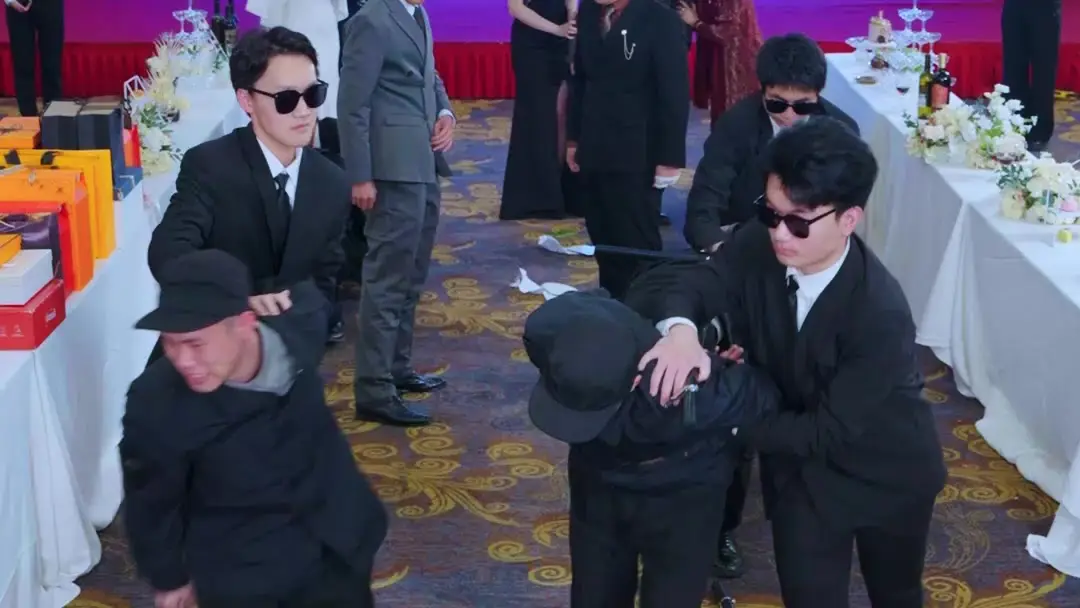 2026-08-25 ⦁ By NetShortBye, Jerk! I'm the Boss Lady! The Birthday Banquet That Turned Into a Crime SceneIn the glittering ballroom of Lin Group’s annual celebration—ostensibly a birthday gala for Lin Yue—the air hummed with champagne bubbles and forced smiles. But
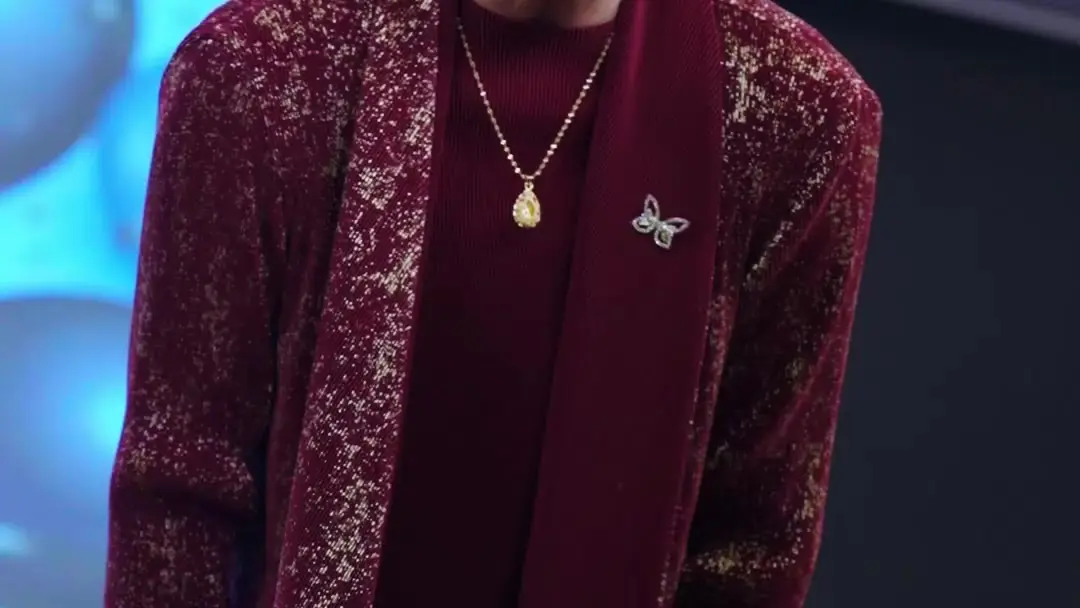 2026-08-25 ⦁ By NetShortBye, Jerk! I'm the Boss Lady! The Birthday Banquet That Turned Into a War ZoneIn the glittering ballroom of Lin Group’s annual celebration—ostensibly a birthday party for Lin Yue—the air hummed with champagne bubbles and forced smiles. Bu