



 2026-08-28 ⦁ By NetShortReborn to Destroy My Family: The Phone Call That Shattered the SilenceIn the quiet elegance of a sun-dappled living room—where wooden beams arch overhead like cathedral ribs and angel-wing sculptures hang solemnly on pale walls—a
 2026-08-28 ⦁ By NetShortReborn to Destroy My Family: The Silent Tea Ceremony That Shattered TrustIn a world where power is measured not in words but in pauses, where every sip of tea carries the weight of unspoken betrayal—this scene from Reborn to Destroy
 2026-08-28 ⦁ By NetShortReborn to Destroy My Family: The Gift That Shattered the FacadeIn the hushed, polished silence of a high-end banquet hall—where marble floors gleam like frozen rivers and traditional Chinese lattice windows frame snowy wint
 2026-08-28 ⦁ By NetShortBlind? He's one of a kind! The Crimson Gambit’s Final BetrayalIn the flickering light of an old courtyard—where stone tiles bear centuries of footfalls and faded ink seals still whisper forgotten oaths—the tension doesn’t
 2026-08-28 ⦁ By NetShortReborn to Destroy My Family: The Bloodstain That Shattered the BanquetIn the opulent, softly lit hall where red banners bearing the character for 'longevity' hang like silent judges, a wedding—or perhaps a funeral in disguise—unfo
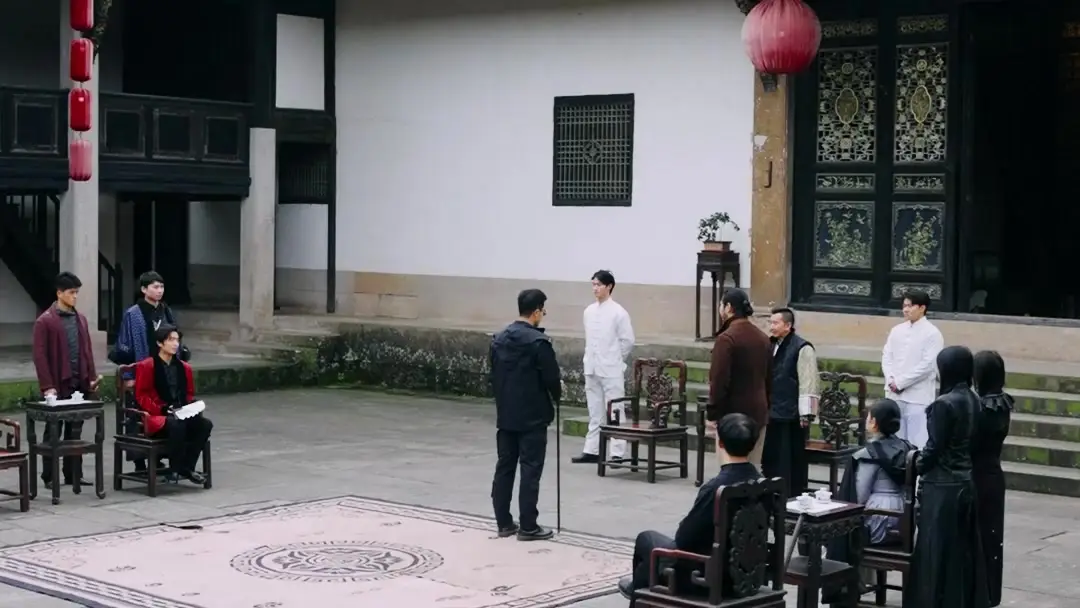 2026-08-28 ⦁ By NetShortBlind? He's one of a kind! The Red Velvet Gambit and the Cane That SeesIn the quiet courtyard of an old Sichuan-style mansion—tiles weathered, red lanterns swaying like silent witnesses—the air hums with tension thicker than the mi
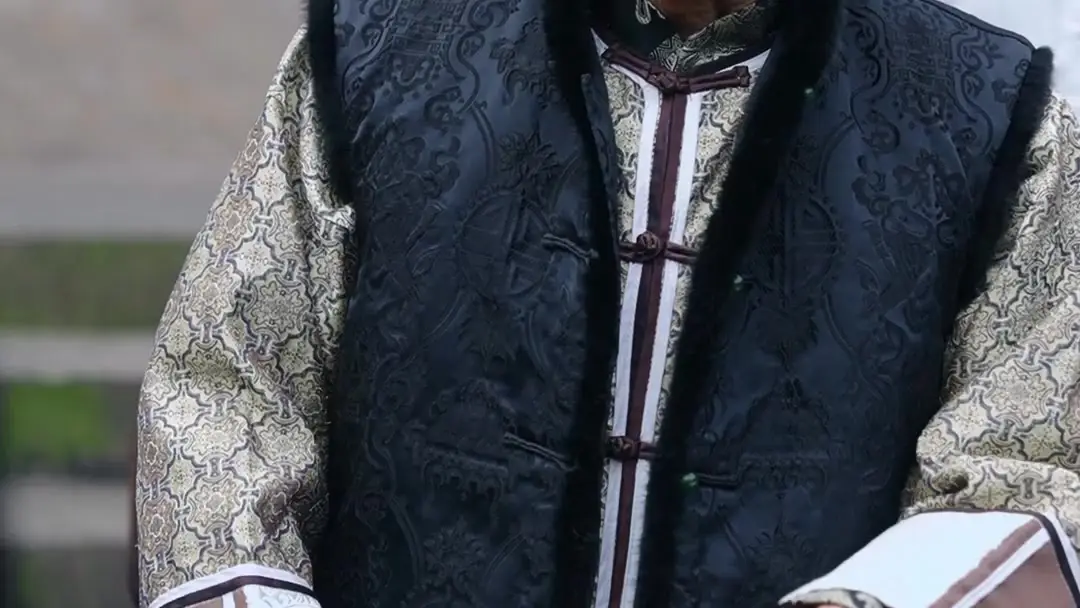 2026-08-28 ⦁ By NetShortBlind? He's one of a kind! The Silent Cane and the Red CoatIn a courtyard where time seems to linger like incense smoke, the air hums with unspoken tension—each character a thread in a tapestry woven not with silk, but
 2026-08-28 ⦁ By NetShortReborn to Destroy My Family: The Blood-Stained Banquet and the Silent WitnessIn a lavishly decorated hall where red banners bearing the character for 'joy' hang like ironic punctuation marks, a wedding—or perhaps a funeral in disguise—un
 2026-08-28 ⦁ By NetShortReborn to Destroy My Family: The Red Seal That Shattered the BanquetIn a room draped in silk and silence, where tradition wore pearls like armor and ambition hid behind double-breasted lapels, something ancient cracked open—not
 2026-08-28 ⦁ By NetShortReborn to Destroy My Family: The Cane That Shattered the BanquetIn a world where lineage is currency and silence is strategy, the latest episode of *Reborn to Destroy My Family* delivers a masterclass in emotional detonation
 2026-08-28 ⦁ By NetShortReborn to Destroy My Family: The Red Banner and the Bloodied TieIn a world where lineage is currency and silence is strategy, *Reborn to Destroy My Family* doesn’t just unfold—it detonates. What begins as a seemingly formal
 2026-08-28 ⦁ By NetShortBlind? He's one of a kind! The Crimson Veil and the Courtyard of LiesIn the quiet courtyard of an old Sichuan-style mansion—gray tiles, white walls, red lanterns swaying like silent witnesses—the air hums with tension thicker tha