



The Fake Fiancée's Introduction
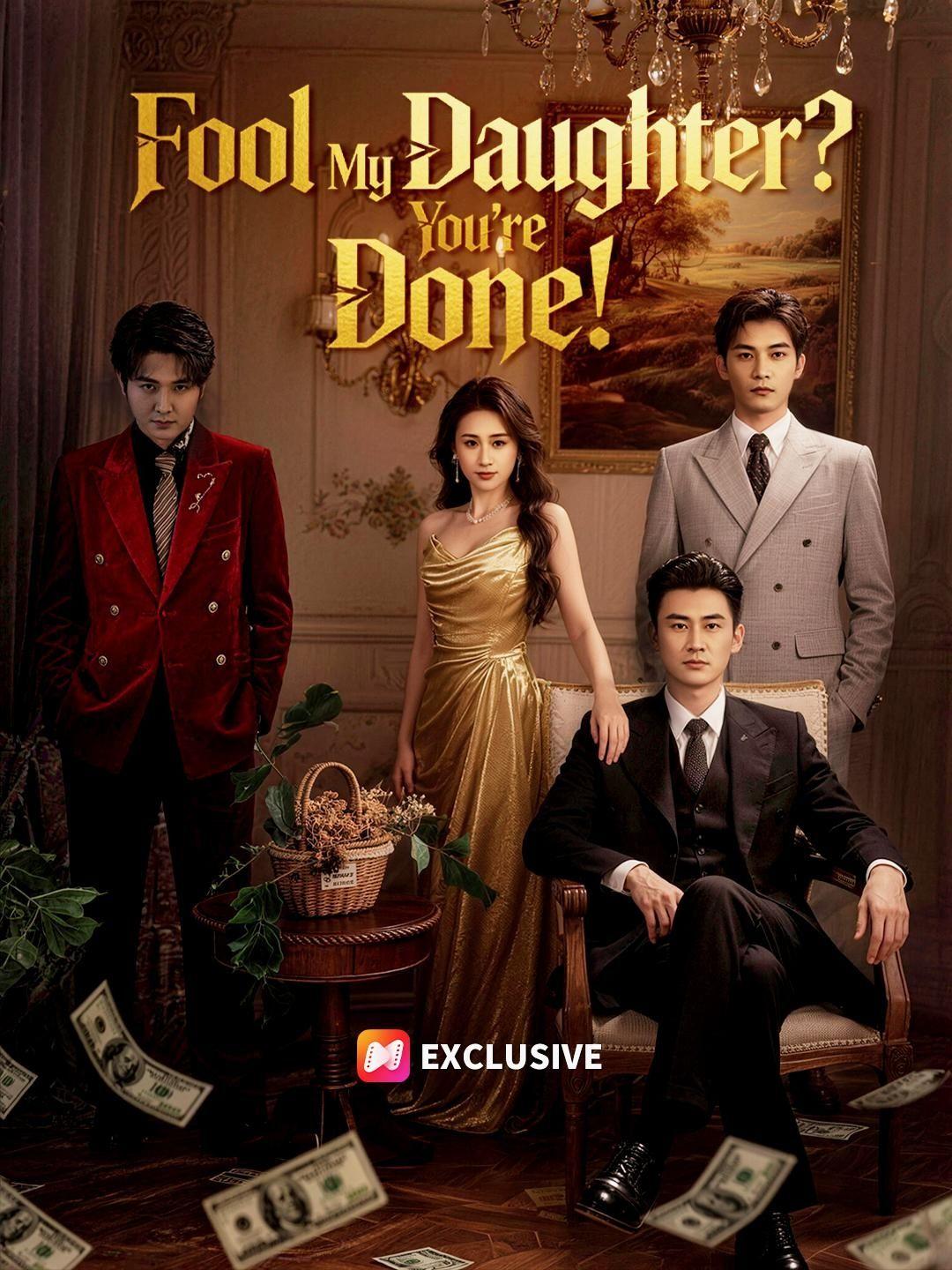
Julia is introduced as the president's fiancée at the company, stirring gossip and jealousy among colleagues, especially when Vanessa is tasked with a creative proposal similar to Julia's style.Will Julia's fake engagement unravel under the company's scrutiny?


Recommended for you




Here comes Mr.Right: When the Bouquet Betrays You
Let’s talk about the bouquet. Not the flowers—the *bouquet* as narrative device, as emotional landmine, as corporate Trojan horse. In the first ten seconds of this sequence, we’re given white roses, pristine and serene, but the shallow depth of field tells us something crucial: nothing here is as innocent as it appears. The focus is tight on the bloom, while the background blurs into indistinct greenery and shadow. That’s the visual thesis of the entire piece: clarity is selective. We see what the characters want us to see—and what they hide is far more telling. Logan, our ostensible protagonist, is introduced not with fanfare, but with silence. He sits, hand near his mouth, eyes downcast, as if bracing for impact. His suit is immaculate, his hair styled with military precision—but his posture betrays fatigue. This isn’t a man celebrating success; he’s managing fallout. The text messages on his phone—‘Good luck on finding a job!’ and ‘I believe in you!’—are delivered with such earnestness they feel rehearsed. And when he types ‘Thank you boss!’, the blue bubble feels less like gratitude and more like compliance. He’s playing a part, and the audience is complicit in the illusion. Here comes Mr.Right, but he’s already compromised—his sincerity packaged in corporate jargon, his vulnerability masked by a tie knot that never loosens. The arrival of Julian shifts the energy like a voltage spike. Where Logan is contained, Julian is kinetic—leaning forward, grinning, holding a black folder like a magician’s prop. His line—‘Boss, Vanessa was hired for a creative proposal’—is delivered with the cadence of a punchline. He knows Logan’s reaction before Logan does. And Logan’s response? A slow blink, a slight tilt of the head, then the muttered ‘This is it.’ Not excitement. Resignation. Because Vanessa Klein’s portfolio isn’t just impressive; it’s *eerie*. The watercolor of two children in a forest? The soft washes of ochre and sage? It’s Julia’s signature. Julia—the name drops like a stone into still water. Logan doesn’t ask who Julia is. He doesn’t need to. The implication hangs in the air, thick and suffocating. The film trusts its audience to connect the dots: art style = emotional history = unresolved tension. This isn’t coincidence. It’s design. What follows is a ballet of evasion. Logan insists he wants to ‘focus on the projects of the games department,’ then immediately delegates the bouquet delivery—a task so menial it screams avoidance. ‘Look just take the bouquet to her desk for me. I can’t exactly show up there myself.’ The phrasing is revealing: *exactly*. He’s not incapable; he’s unwilling. He fears confrontation, exposure, the moment when Vanessa looks up and recognizes the echo of Julia in his eyes. Julian, ever the willing accomplice, accepts with a smirk and the devastating line: ‘I’m just a part of your little role play.’ That phrase—*role play*—is the linchpin. Logan isn’t leading a team; he’s directing a stage production where everyone wears a mask, even the audience. The hallway encounter with Bennett is where the facade shatters. She doesn’t walk; she *enters*, phone in hand, hips swaying, smile edged with challenge. Her question—‘Is that bouquet for the president’s fiancée?’—isn’t idle. It’s a trapdoor. Julian’s flustered ‘Who told you that?’ confirms her suspicion. And her reply—‘I’m just guessing, don’t take it so seriously’—is the kind of lie that tastes like truth. She’s not teasing. She’s testing. Her next line—‘You should spend some time working on your creative proposal. You only have one week.’—isn’t advice. It’s a deadline with teeth. The clock is ticking, and the pressure isn’t just professional; it’s existential. Who is Vanessa really? Why does her art mirror Julia’s? And why does Bennett know more than she lets on? Then—the pivot. Bennett stops, turns, and delivers the monologue that reorients the entire narrative: ‘When I build a relationship with the president’s fiancée, let’s see if you’re still so cocky.’ The camera holds on her face—calm, assured, almost amused. She’s not threatened. She’s *anticipating*. And when she answers her phone—‘Ms. Bennett? You’re here already? Okay, come in’—the implication is seismic. She wasn’t gossiping. She was coordinating. The president’s fiancée isn’t a passive figurehead; she’s the director of this entire charade. The final reveal is cinematic perfection. Vanessa writes at her desk, unaware—or perhaps fully aware—of the storm gathering outside her door. The bouquet sits beside her, the card reading ‘Happy First Day at Work! — G.W.’ The initials are deliberately ambiguous. Logan? Julian? Or the president himself? Then, the door opens. Bennett enters, radiant in green silk, followed by the woman we’ve been hearing about but never seeing: the president’s fiancée, dressed in black sequins, diamonds at her throat, confidence radiating like heat haze. ‘Everyone! Pay attention. I’d like to introduce you to the president’s fiancée. Miss Bennett.’ The irony is brutal. Bennett *is* the fiancée. She’s been pulling strings from the shadows, using gossip as currency, bouquets as bait, and Logan’s discomfort as fuel. Here comes Mr.Right—but he’s not who we thought. Logan is reactive, Julian is complicit, Vanessa is enigmatic, and Bennett is the true architect. The bouquet wasn’t a gift. It was a trigger. A signal flare. A declaration that the old rules no longer apply. In this world, loyalty is transactional, art is evidence, and first impressions are just the first layer of a much deeper deception. Here comes Mr.Right, but he’s walking into a room where the chairs have already been rearranged—and the host is smiling, phone still in hand, ready for the next act.
Here comes Mr.Right: The Bouquet That Started a War
The opening shot—white roses, soft focus, dew-kissed petals—sets the tone not of romance, but of performance. This isn’t a love story; it’s a corporate thriller disguised as a rom-com, where every gesture is calibrated, every smile rehearsed, and every bouquet weaponized. Here comes Mr.Right, but he’s not walking toward a bride—he’s stepping into a boardroom minefield, clutching flowers like a surrender flag wrapped in heart-patterned paper. Logan, the impeccably groomed executive in the black suit and charcoal tie, begins the sequence in quiet contemplation, fingers pressed to his lips as if holding back a secret—or a confession. His phone buzzes with messages: ‘Good luck on finding a job!’ followed by ‘I believe in you!’ Then, the reply: ‘Thank you boss!’ The irony is thick enough to choke on. He’s not just receiving encouragement—he’s being groomed for a role he didn’t audition for. The text bubbles aren’t casual; they’re script lines, delivered with practiced humility. When he murmurs ‘Yeah’ after being addressed by his subordinate, it’s less affirmation, more deflection—a man already mentally editing his own narrative. Enter Julian, the second lead, whose entrance is all swagger and suppressed amusement. Dressed in navy, hair slightly longer, tie perfectly knotted, he delivers the line that cracks the veneer: ‘Boss, Vanessa was hired for a creative proposal.’ The camera lingers on Logan’s face—not shock, but recognition. A flicker of dread. Because Vanessa Klein’s resume isn’t just impressive; it’s *familiar*. The watercolor illustration of two children walking through an autumn forest? It echoes Julia’s style—Julia, presumably Logan’s ex, or perhaps his current partner, or maybe the ghost haunting his professional life. The film never confirms, but it doesn’t need to. The ambiguity *is* the tension. Logan’s furrowed brow says everything: this isn’t about talent. It’s about proximity. About history leaking into the present like ink through parchment. What follows is a masterclass in micro-expression. Logan declares he wants to ‘focus on the projects of the games department,’ then immediately pivots to delegating the bouquet delivery—a task so trivial it reeks of avoidance. ‘I can’t exactly show up there myself,’ he admits, voice light, eyes distant. He’s not embarrassed; he’s compartmentalizing. The bouquet, wrapped in paper dotted with gold and silver hearts, becomes the central MacGuffin: a gift meant to celebrate Vanessa’s first day, yet loaded with unspoken subtext. Is it goodwill? A peace offering? A test? Logan outsources the delivery to Julian, who accepts with a smirk and the line, ‘I’m just a part of your little role play.’ That phrase—*role play*—is the key. Everyone here is performing. Logan plays the benevolent boss. Julian plays the loyal lieutenant with a wink. And Vanessa? She hasn’t even spoken yet, but her presence is already reshaping the room. The hallway scene is where the film shifts from psychological drama to full-blown office opera. Julian walks with the bouquet, posture relaxed, gaze scanning the corridor like a predator assessing terrain. Then—enter Bennett, the blonde woman in the sleeveless black jumpsuit, phone in hand, smile sharp as a scalpel. Her question—‘Is that bouquet for the president’s fiancée?’—isn’t curiosity. It’s provocation. She knows. Or she suspects. And when Julian asks, ‘Who told you that?’, her reply—‘I’m just guessing, don’t take it so seriously’—is pure theatrical gaslighting. She’s not deflecting; she’s escalating. Her next line—‘Maybe instead of gossiping, you should spend some time working on your creative proposal. You only have one week.’—lands like a verdict. The clock is ticking, and the stakes aren’t just professional. They’re personal, intimate, dangerous. Then comes the twist no one saw coming: Bennett turns, calls out ‘Just you wait!’ and launches into a monologue that rewrites the entire premise. ‘When I build a relationship with the president’s fiancée, let’s see if you’re still so cocky.’ The camera holds on her face—confident, amused, utterly in control. She’s not a rival. She’s a strategist. And her final move—answering her phone with ‘Ms. Bennett? You’re here already? Okay, come in’—reveals the true architecture of power. She wasn’t waiting for Logan. She was waiting for *her*. The president’s fiancée isn’t a background character. She’s the architect of this entire scenario. The final sequence confirms it. Vanessa sits at her desk, writing—perhaps a proposal, perhaps a letter, perhaps a manifesto. The bouquet rests beside her, the card reading ‘Happy First Day at Work! — G.W.’ The initials are ambiguous. Logan? Julian? Or someone else entirely? Then, the door opens. Bennett strides in, radiant in emerald silk, followed by the president’s fiancée—blonde, sequined, regal, wearing a choker that glints like a crown. ‘Everyone! Pay attention. I’d like to introduce you to the president’s fiancée. Miss Bennett.’ The reveal lands like a thunderclap. Bennett *is* the fiancée. And she just walked into her own office, armed with gossip, grace, and a bouquet that was never meant for Vanessa at all. Here comes Mr.Right—but who is he really? Logan, the man who hides behind politeness? Julian, the messenger with too much knowing? Or Vanessa, the new hire whose art mirrors a past lover’s, silently challenging the status quo? The brilliance of this片段 lies in its refusal to resolve. It doesn’t tell us who’s right or wrong. It shows us how easily loyalty curdles into suspicion, how a simple bouquet can become a declaration of war, and how in the modern workplace, love, ambition, and deception bloom side by side—like white roses among thorns. Here comes Mr.Right, but he’s already late. The game has changed. And the real protagonist? She’s been holding the phone the whole time.
When ‘Good Luck’ Feels Like a Threat
Texts saying ‘I believe in you’ while the boss side-eyes your portfolio? Classic corporate gaslighting. Vanessa’s art style mirroring Julia’s isn’t coincidence—it’s narrative foreshadowing. Here Comes Mr. Right turns HR moments into psychological thrillers. One week to submit a proposal? Yeah, good luck with that 😅
The Bouquet That Started It All
That bouquet wasn’t just for Vanessa’s first day—it was a Trojan horse of tension. Logan’s smirk, Julia’s suspicion, Bennett’s icy entrance… every petal whispered drama. Here Comes Mr. Right isn’t about romance; it’s about power plays wrapped in floral paper 🌹 #OfficeGossip