



Uncovering the Dark Truth
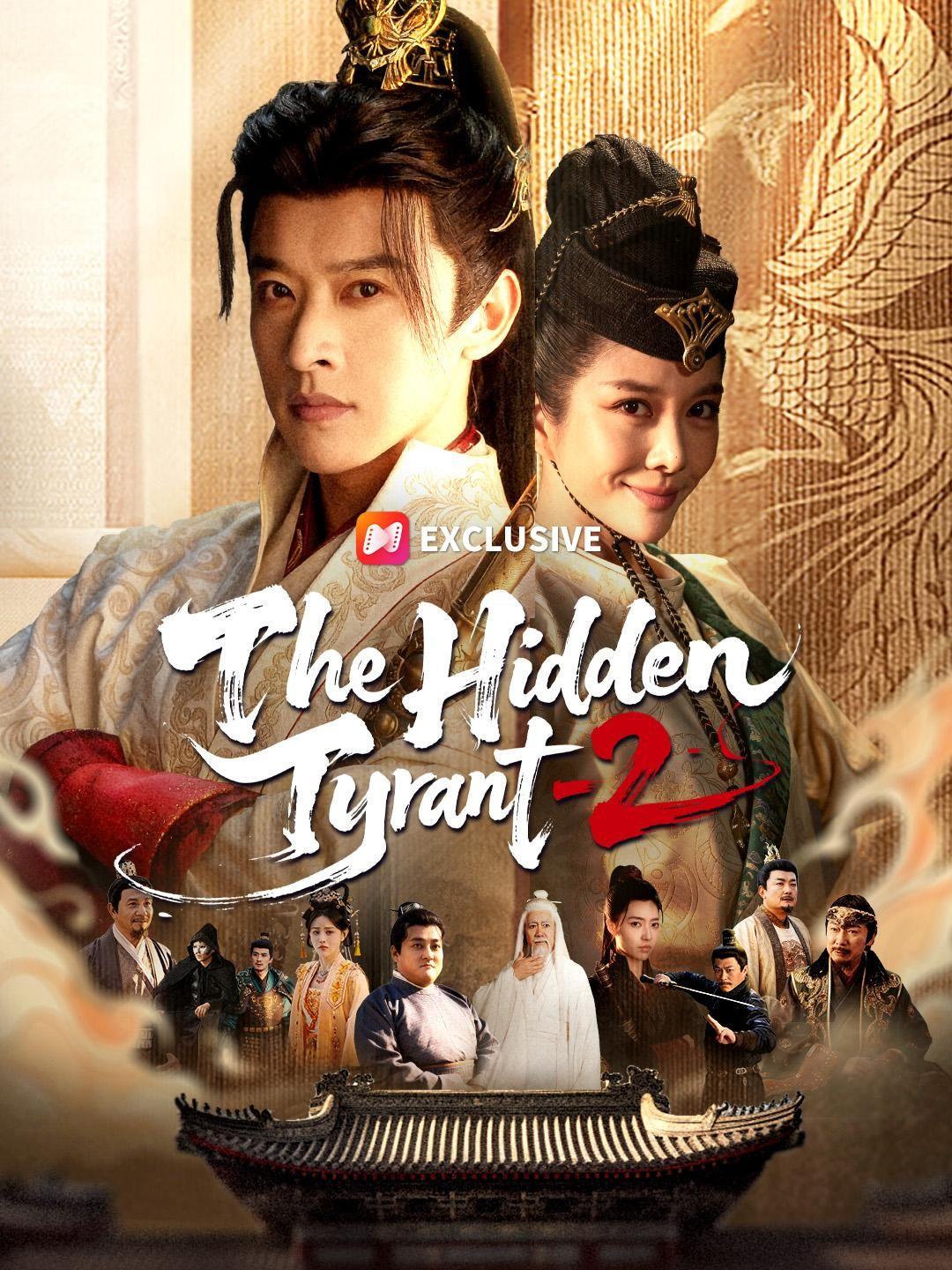
Tony Clark was framed and sent to prison many years ago. After his return, he started investigating the truth behind his imprisonment and searching for his mother. Tony accidentally discovered that the med being developed by Chloe Medicine Group was from his mother. Then Tony tried to get closer to Chloe Morgan and even married her. As the investigation deepened, Tony finally uncovered the truth about the med and his mother’s death, but an even bigger conspiracy was behind this...
EP 1: Tony Clark discovers that the new med developed by Chloe Medicine Group, linked to his mother, has turned people into killing machines. He decides to go undercover as Chloe Morgan's bodyguard to investigate further, while the Bloodie Gang is ordered to eliminate the Morgan family before Justhell intervenes.Will Tony uncover the full extent of the conspiracy before the Bloodie Gang strikes?


The Formula of Destiny: When Silence Speaks Louder Than Swords
There’s a particular kind of tension that only emerges when a film refuses to explain itself. Not out of laziness, but out of trust—in the audience, in the image, in the body language of its characters. The Formula of Destiny operates entirely within that space. From the opening shot—Fang Zhou standing alone beneath the skeletal ribs of an unfinished highway—we’re dropped into a world where meaning is earned, not handed out. No voiceover. No exposition dump. Just concrete, darkness, and the faint echo of footsteps approaching from behind. The first five seconds tell us more than most films do in thirty minutes: this man is waiting. Not for help. Not for mercy. For resolution. His posture is rigid, but not stiff—there’s a coiled energy in his stance, like a spring held too long. When the second figure enters—dressed in a tailored suit, white shirt crisp against the gloom—he doesn’t speak. He bows. Not deeply. Not mockingly. Just enough to acknowledge hierarchy, to signal deference without submission. That bow is the first sentence of the film’s visual grammar. Everything that follows is punctuation. The fight sequence that erupts moments later isn’t about choreography—it’s about rhythm. Fang Zhou moves like water: fluid, unpredictable, impossible to grip. His opponents wear raincoats, bulky and anonymous, their faces hidden, their movements jerky, reactive. They attack in waves, but he doesn’t meet them head-on. He lets them crash against him, then redirects their force, turning their aggression into their downfall. One man flips backward over his shoulder, landing hard on his back; another stumbles into a support beam, coughing dust. There’s no triumphant yell. No smirk. Just a slow exhale, and the quiet click of a sword being unsheathed—not with flourish, but with inevitability. The blade isn’t ornate. It’s functional. Practical. Like Fang Zhou himself. The camera lingers on his hands as he grips the hilt—knuckles white, veins raised, a small scar visible on his left thumb. This isn’t a warrior born for glory. This is a man who’s fought too many battles to still believe in heroes. And yet—he keeps going. Why? That’s the question The Formula of Destiny dares to leave unanswered for nearly half its runtime. Then comes Shui Qilin. She doesn’t stride into the frame. She *materializes*, stepping out from behind the glare of a car’s headlights, her red coat catching the light like fire on oil. Her entrance isn’t loud, but it silences everything else. The men behind her don’t shift. They don’t blink. They’re not guards. They’re witnesses. The text beside her—‘Shui Qilin, General of the Ge Luo Palace’—isn’t a title. It’s a challenge. She doesn’t look at Fang Zhou immediately. She looks at the ground where the last fighter fell, then at the sword still in his hand, then finally—at his face. Her expression is unreadable, but her eyes… her eyes are tired. Not defeated. Not angry. Just weary. Like she’s seen this exact moment play out before, in different clothes, under different skies. When they finally speak—briefly, quietly—their lines are sparse, almost poetic in their restraint. Fang Zhou says, ‘You shouldn’t be here.’ Shui Qilin replies, ‘Neither should you.’ It’s not a threat. It’s an observation. A shared truth. And in that exchange, we understand: they’re not enemies. They’re survivors of the same war, wearing different uniforms. The real drama doesn’t happen in the fight scenes. It happens in the pauses. In the way Fang Zhou’s fingers brush the chain around his neck when Shui Qilin mentions the ‘old pact.’ In the way she glances toward the upper level of the structure—where two hooded figures stand, silent, watching. One wears a red mask with ivory fangs, the other a black one with gold-lined jaws. They don’t move. They don’t speak. But their presence changes the air. The lighting shifts again—colder now, bluer, as if the night itself is holding its breath. The red-masked figure steps forward, just slightly, and lifts his chin. Not in defiance. In invitation. Fang Zhou doesn’t react. Not yet. He’s calculating. We see it in the micro-expressions: the slight furrow between his brows, the way his jaw flexes once, twice. He knows who they are. Or he thinks he does. The Formula of Destiny isn’t just a title—it’s a system. A set of rules passed down through generations, enforced by those who wear the masks and remembered by those who survive them. The black-masked figure places a hand on the red one’s shoulder—not possessively, but protectively. A gesture that speaks volumes: this isn’t a rivalry. It’s a partnership. A balance. And Fang Zhou? He’s the variable. The wild card. The one who might break the formula—or complete it. The final shots are telling. Fang Zhou walks away, sword sheathed, coat flapping behind him like a banner. Shui Qilin watches him go, her expression unreadable, but her hand rests lightly on the hilt of her own weapon—hidden beneath her coat. Above, the masked figures vanish into the shadows, leaving only the echo of their presence. The camera pulls back, revealing the full scale of the location: a vast, empty concrete labyrinth, lit by sporadic streetlights, littered with debris and forgotten dreams. This isn’t a battleground. It’s a graveyard of choices. Every character in The Formula of Destiny carries a history they refuse to name. Fang Zhou’s scars aren’t just physical—they’re temporal. Shui Qilin’s red coat isn’t just bold—it’s a flag. The masked figures aren’t just mysterious—they’re inevitable. And the audience? We’re left with the most unsettling question of all: What happens when the formula runs out of variables? When there’s no one left to challenge the order? The brilliance of this short film lies in its refusal to resolve. It doesn’t give us answers. It gives us atmosphere. It doesn’t explain the masks. It makes us *feel* their weight. The sound design is masterful—low-frequency drones underpinning the silence, the occasional drip of water echoing like a metronome, the rustle of fabric as Fang Zhou adjusts his coat. These aren’t background elements. They’re narrative tools. When he draws his sword, the sound isn’t metallic—it’s organic, like bone separating from bone. When Shui Qilin steps forward, her boots don’t click. They *press*, as if the ground itself resists her movement. This is cinema that trusts the viewer to assemble the puzzle. We don’t need to know why Fang Zhou fights. We only need to feel the cost of each swing, each dodge, each moment he chooses to stay standing. The Formula of Destiny isn’t about destiny at all. It’s about choice. And in a world where every decision echoes into the future, the most dangerous weapon isn’t the sword. It’s memory. Fang Zhou remembers. Shui Qilin remembers. The masked figures remember everything. And as the screen fades to black, we’re left with one final image: the chain around Fang Zhou’s neck, catching the last glimmer of light—shining, unbroken, waiting for the next chapter to begin.
The Formula of Destiny: Blood Masks and the Weight of Legacy
In the dim, concrete belly of an unfinished overpass—where streetlights flicker like dying stars and shadows pool like spilled ink—the first act of The Formula of Destiny unfolds not with dialogue, but with posture. Fang Zhou stands alone, backlit by a single distant glow, his silhouette stretched long across cracked asphalt. He wears a black leather trench coat that swallows light, a silver chain glinting like a wound against his throat. His stance is still, almost meditative—but the tension in his shoulders tells another story. This isn’t calm. It’s the quiet before the storm, the kind of silence that hums with unresolved debt. When the hooded figures emerge—four men in identical raincoats, faces obscured, movements synchronized like clockwork—they don’t speak. They circle him. Not aggressively, but deliberately, as if testing the air around him, measuring his breath, his pulse, his readiness. One stumbles forward, then falls—not from injury, but from hesitation. Another raises his hands, palms out, as if surrendering to gravity itself. It’s choreographed chaos, a dance of fear and defiance. And then Fang Zhou moves. Not with rage, but with precision. A low-angle shot catches him mid-leap, arms spread wide, coat flaring like wings—his face tilted upward, eyes fixed on something beyond the frame. In that moment, he isn’t just a man. He’s a myth in motion. The camera lingers on his expression: not triumph, not anger, but resolve. As he lands, the ground trembles—not literally, but cinematically, through sound design and framing. A sword appears in his hand, not drawn, but *revealed*, as if it had always been there, waiting for the right moment to be acknowledged. The blade is sleek, dark, its tsuba etched with subtle geometric patterns—a weapon that speaks of tradition, not brute force. When he strikes, it’s not flashy. It’s economical. One opponent lunges; Fang Zhou sidesteps, twists, and the man’s own momentum carries him into a pillar. Another tries a high kick; Fang Zhou catches the ankle, pivots, and sends him spinning into the darkness. There’s no blood, no gore—just impact, weight, consequence. The fight isn’t about winning. It’s about proving he still exists in a world that keeps trying to erase him. Later, when he walks away, coat trailing behind him like a shadow given form, the lighting shifts. Warm amber now, casting long, golden reflections on wet concrete. He turns his head—not toward the camera, but toward something off-screen. A flicker of doubt? Or recognition? That’s when she enters. Shui Qilin. Red coat. Black corset. Hair pulled back tight, lips painted the color of dried blood. She doesn’t walk so much as *arrive*—her presence altering the physics of the scene. Behind her, two men in suits stand like statues, their hands clasped, their eyes unreadable. The text overlay—‘Shui Qilin, General of the Ge Luo Palace’—isn’t exposition. It’s a warning. She doesn’t greet Fang Zhou. She studies him. Her gaze travels from his boots to his eyes, lingering on the chain around his neck—the same one he wore in the earlier fight. Is it coincidence? Or is it a symbol he’s refused to shed? Their exchange is silent, yet louder than any shouting match. Fang Zhou’s jaw tightens. His fingers twitch near the hilt of his sword. Shui Qilin exhales, slow and deliberate, and for the first time, her expression softens—not into warmth, but into something more dangerous: understanding. She knows what he’s carrying. Not just the sword. Not just the past. But the weight of The Formula of Destiny itself—a phrase whispered in the background score, layered beneath the ambient hum of distant traffic and dripping water. It’s not a title. It’s a curse. A prophecy. A contract written in blood and steel. The final sequence confirms it. On a higher level of the structure, two figures appear—hooded, masked, draped in velvet and gold trim. One wears a crimson mask with fangs, the other a black one with gilded teeth. They don’t speak either. Instead, the black-masked figure grabs the red-masked one by the throat—not violently, but with intimacy, as if adjusting a collar. The red-masked figure tilts his head, eyes narrowing, and smiles. Not kindly. Not cruelly. But *knowingly*. This is where The Formula of Destiny reveals its true architecture: it’s not about good vs. evil. It’s about loyalty vs. legacy. About who gets to rewrite the rules—and who must die so others can remember them. Fang Zhou watches from below, his reflection visible in a puddle, fractured and distorted. He’s not the center of this world anymore. He’s just one piece in a larger equation—one that includes Shui Qilin, the masked figures, the fallen men still groaning on the ground, and the unseen forces pulling strings from the dark. The film doesn’t end with a victory. It ends with a question: When the masks come off, who will be left standing—and will they even recognize themselves? The Formula of Destiny isn’t a path. It’s a mirror. And everyone who looks into it sees something different. Fang Zhou sees responsibility. Shui Qilin sees opportunity. The masked figures see inevitability. The audience? We see ourselves—caught between the urge to fight and the terror of being forgotten. That’s the real magic of this short film: it doesn’t ask you to choose a side. It asks you to admit which side you’ve already chosen, long before the first punch was thrown. The cinematography reinforces this duality—cool blues during the fight, warm ambers during the confrontation, deep blacks during the masked reveal. Every color is a mood, every shadow a secret. Even the sound design is layered: the crunch of gravel underfoot, the whisper of fabric, the low thrum of bass that feels less like music and more like a heartbeat. When Fang Zhou finally speaks—just three words, barely audible—the line isn’t ‘I’m ready.’ It’s ‘I remember.’ And in that moment, The Formula of Destiny clicks into place. Not as a plot device, but as a psychological anchor. He’s not fighting for power. He’s fighting to prove he hasn’t lost himself. Shui Qilin’s entrance isn’t a rescue. It’s a reckoning. She doesn’t offer help. She offers a choice: continue down this road alone, or let someone else carry part of the burden. The way she holds her hands—palms up, fingers relaxed—suggests she’s not threatening him. She’s inviting him to reconsider. To renegotiate. The masked figures above? They’re not villains. They’re custodians. Guardians of the old ways. Their masks aren’t disguises. They’re uniforms. And the fact that one removes his hood slightly—just enough to show his eyes—tells us everything: this isn’t about anonymity. It’s about authority. The red-masked figure’s grin isn’t madness. It’s confidence. He knows Fang Zhou will come to him eventually. Because in The Formula of Destiny, no one truly walks away. They only pause. They only wait. And when the next chapter begins, the ground will still be wet, the lights will still flicker, and the chain around Fang Zhou’s neck will still gleam—cold, heavy, and unbroken.