



Bloodie's Revenge Plan
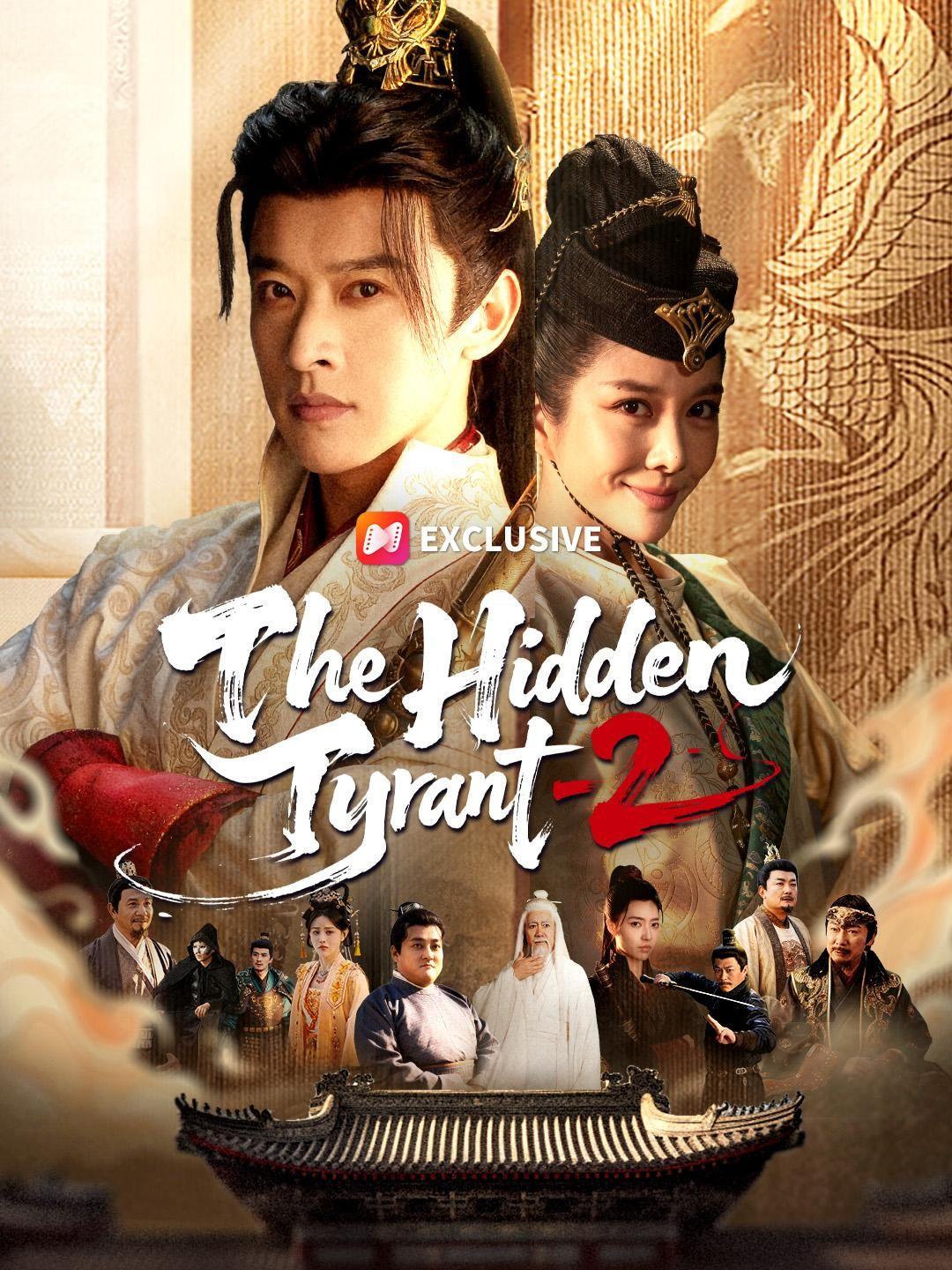
Mr. Bloodie is furious as his plans are continuously thwarted by Tony Clark and the Morgan family. His associates propose a new strategy to capture Chloe Morgan and seize the Morgan family's assets, revealing Tony's secret alliance with the Hubers. Bloodie, though skeptical, considers the plan to eliminate Tony and Chloe once and for all.Will Bloodie's new plan finally succeed in taking down Tony and Chloe?


Recommended for you


The Formula of Destiny: The Cloak That Knows Your Name
There’s a specific kind of dread that only emerges when elegance meets the uncanny—and The Formula of Destiny weaponizes it with surgical precision. Forget jump scares. Forget gore. This is psychological erosion, served cold in a black velvet glove. We meet Ji-hoon and Seo-yeon not in crisis, but in *transition*: polished, composed, walking through what looks like an abandoned subway maintenance tunnel, lit by braziers that cast long, dancing shadows. They’re late. Or rather, they’re *early*—for something they didn’t sign up for. Ji-hoon adjusts his cufflink, Seo-yeon smooths her dress, and the audience thinks: ah, a corporate thriller. A merger gone wrong. A whistleblower plot. Then the camera pans left—and the world tilts. Enter the Hooded One. Not a monster. Not a villain. A *presence*. The costume is absurdly detailed: the cloak isn’t just black—it’s layered, with inner lining of crushed emerald satin that catches the flame-light like oil on water, and outer trim of gold-threaded brocade depicting serpentine motifs that seem to writhe when you’re not looking directly at them. The mask—oh, the mask—is where The Formula of Destiny earns its reputation. It’s not grotesque; it’s *intentional*. Crimson lacquer, glossy as fresh blood, molded to exaggerate the mouth into a permanent, toothy grin. Two elongated canines protrude, but they’re not jagged—they’re *polished*, almost ceremonial. Like ritual tools. The eyes visible above the mask aren’t hidden; they’re *exposed*, dark and steady, holding Ji-hoon’s gaze without blinking. This isn’t intimidation. It’s *acknowledgment*. As if the figure has been waiting for him specifically, not because he’s important, but because he’s *due*. What follows isn’t dialogue—it’s disintegration. Ji-hoon speaks, but his words dissolve mid-air. He says ‘Who are you?’ and the question hangs, unanswered, because the figure doesn’t need a name. It already knows his. Seo-yeon, meanwhile, does something far more chilling: she *stops breathing*. Not metaphorically. Her chest literally stills for three full seconds while the camera holds on her face. Her pupils dilate. Her lips part, revealing teeth that match the mask’s symmetry—just for a frame. A glitch in reality. A shared frequency. That’s when you realize: Seo-yeon isn’t his ally here. She’s his anchor—and she’s deciding whether to pull him back or let him sink. The tension escalates not through action, but through *stillness*. The Hooded One doesn’t advance. Doesn’t gesture. Simply stands, one hand resting lightly on the hilt of a blade that wasn’t there a second ago. Ji-hoon’s body betrays him: his shoulders tense, his fingers twitch toward his phone—then stop. He knows it won’t help. This isn’t a world with signal bars. This is a world where contracts are signed in blood and oaths are sealed with silence. The background details matter: the torn papers on the floor aren’t random. They’re fragments of old ledgers, names crossed out in red ink. One slip reads ‘Ji-hoon Park – Contract Renewal: Denied.’ Another: ‘Seo-yeon Kim – Memory Lock: Engaged.’ These aren’t props. They’re evidence. And the Hooded One? It’s the auditor. The enforcer. The keeper of the ledger no one remembers signing. Then—the choke. Not violent. Not rushed. A slow, deliberate compression, as if testing the resilience of his will more than his windpipe. Ji-hoon’s face flushes, then pales, veins standing out at his temples—but his eyes stay open, locked on the mask. And here’s the twist The Formula of Destiny hides in plain sight: when the pressure peaks, the mask *leans in*, and for a single frame, the fangs part—not to bite, but to *whisper*. We don’t hear it. But Ji-hoon does. And his expression shifts from terror to *recognition*. Not ‘I know you,’ but ‘I *am* you.’ That’s the core mechanic of The Formula of Destiny: identity isn’t fixed. It’s leased. And the lease is expiring. Seo-yeon finally moves—not to intervene, but to place her palm flat against Ji-hoon’s back, right between his shoulder blades. A grounding touch. A surrender. A trigger. The moment her skin meets his suit, the Hooded One releases him. Not out of mercy. Out of protocol. The ritual requires three elements: the debtor, the witness, and the vessel. Ji-hoon is the debtor. Seo-yeon is the witness. And the Hooded One? It’s the vessel—empty until filled with the weight of broken promises. The final sequence shows Ji-hoon stumbling back, gasping, while Seo-yeon bows her head—not in submission, but in apology. To him? To the mask? To the version of herself she buried years ago? The camera pulls up, revealing the full chamber: six braziers, three cloaked figures now visible in the periphery, and on the far wall, a mural of a sun with a face, its mouth open in a silent scream. The title card fades in: The Formula of Destiny. Not a warning. Not a promise. Just a fact. Like gravity. Like debt. Like the way some masks don’t hide who you are—they reveal who you *owe*.
The Formula of Destiny: When the Mask Smiles Back
Let’s talk about that moment—when the firelight flickers, the concrete walls loom like forgotten tombs, and two perfectly dressed people—Ji-hoon and Seo-yeon—step into a space that shouldn’t exist in modern Seoul. Not a nightclub, not a gallery, not even a secret society meeting room. It’s something older. Something hungrier. The air smells of ash and old incense, and the floor is littered with torn paper slips—maybe prayers, maybe curses, maybe just receipts from a life they tried to burn. Ji-hoon, in his charcoal suit and silk tie, looks less like a corporate strategist and more like a man who just realized his GPS led him straight into a folk horror film. His eyes dart—not in panic, but in dawning horror, the kind that creeps up when you realize the script you thought you were reading has been rewritten in blood-red ink. Seo-yeon clings to his arm, her pearls catching the torchlight like tiny moons orbiting a collapsing star. She doesn’t scream. She *whispers*, lips barely moving, as if afraid the sound might wake something sleeping behind the curtain of smoke. And then—*he* appears. The figure doesn’t walk so much as *unfurl*. Black velvet cloak, lined in emerald silk and gold brocade that shimmers like serpent scales under low light. The hood falls just so, framing a mask—not porcelain, not wood, but something *wet*-looking, lacquered crimson, stretched over a face that should not have teeth like that. Two ivory fangs jut downward, sharp enough to puncture myth. The eyes above the mask are calm. Too calm. That’s the real terror: the stillness. While Ji-hoon stammers, gestures with trembling hands, tries to reason with what he assumes is a performance artist or a disgruntled ex-colleague, the masked figure simply *tilts* its head. A gesture borrowed from predators, from gods who’ve seen civilizations rise and rot. Behind him, another cloaked figure stands motionless beside a draped table, a sword resting horizontally across it like a punctuation mark. No one moves. No one breathes too loud. This isn’t a confrontation. It’s an *audition*. What makes The Formula of Destiny so unnerving isn’t the mask—it’s the silence between the lines. Ji-hoon’s dialogue (if you can call his frantic muttering dialogue) reveals everything: he’s trying to negotiate with logic, with precedent, with HR policies. He says things like ‘I think there’s been a misunderstanding’ and ‘We’re here for the quarterly review,’ and the mask doesn’t flinch. It *listens*. And then, slowly, deliberately, the figure raises one hand—not to strike, but to *invite*. A beaded rosary dangles from its fingers, each bead carved with a different symbol: a sun, a serpent, a broken key. Seo-yeon’s grip tightens on Ji-hoon’s sleeve. Her knuckles whiten. She knows. She’s always known. Some doors, once opened, don’t close. They *remember*. The turning point comes not with violence, but with a shift in posture. Ji-hoon, ever the pragmatist, takes a half-step forward—perhaps to de-escalate, perhaps to get a better look at the mask’s craftsmanship. That’s when the figure’s left hand shoots out, not toward his throat yet, but *past* it, fingers brushing the lapel of his jacket. A touch so light it could be accidental. But Ji-hoon freezes. Because he feels it—not pressure, not heat, but *recognition*. As if the fabric itself remembers him. The camera lingers on his face: sweat beads at his hairline, his breath hitches, and for a split second, his expression isn’t fear. It’s *shame*. The kind that surfaces when you realize you’ve betrayed someone—or something—you swore fidelity to in a past life you don’t recall. That’s the genius of The Formula of Destiny: it doesn’t explain the ritual. It makes you *feel* complicit in it. Then—the chokehold. Not sudden. Not brutal. Almost ceremonial. The masked figure’s hand wraps around Ji-hoon’s neck with the precision of a surgeon, the thumb pressing just so against the carotid. Ji-hoon gasps, yes, but his eyes don’t roll back. They lock onto Seo-yeon’s. And she? She doesn’t rush forward. She doesn’t beg. She *steps back*. One deliberate step. Her lips part—not in shock, but in realization. The pearls at her throat tremble. She knows this moment. She’s lived it before. In another city. Another century. The mask tilts again, and this time, the fangs catch the light like blades drawn in slow motion. The background fades. The torches gutter. Time stretches like taffy. And in that suspended second, Ji-hoon understands: this isn’t punishment. It’s *recall*. The Formula of Destiny isn’t about fate being written—it’s about fate being *remembered*, and those who forget pay in breath, in memory, in the quiet unraveling of their own identity. When he finally collapses, coughing, clutching his throat, Seo-yeon kneels—not to comfort him, but to whisper three words directly into his ear. Words the mic doesn’t catch. Words that make him go paler than death. That’s how The Formula of Destiny works: it leaves the most important lines unsaid, buried under the weight of what we *almost* remember. The final shot? The masked figure turns away, cloak swirling like ink in water, and behind them, on the wall, the red sun symbol pulses once—just once—before fading into the concrete. No resolution. No escape. Just the echo of teeth clicking shut. And you, the viewer, sitting in your dim room, suddenly checking your own pulse.
When Fear Wears a Pearl Necklace
Let’s talk about the woman in black—her trembling hands, her pearls catching dim light like tiny moons in chaos. In The Formula of Destiny, she’s not just a victim; she’s the emotional anchor. While the man stammers and gestures wildly, she *sees* the truth in the mask’s grin. Her horror isn’t overacted—it’s visceral. And when she finally reaches out? That moment? Chills. 🌙 This short nails tension through silence, texture, and one unforgettable red smile.
The Mask That Speaks Louder Than Words
In The Formula of Destiny, the red demon mask isn’t just costume—it’s a psychological weapon. Every tilt of the head, every slow blink, radiates menace without a single line spoken. The contrast between the suited couple’s panic and the masked figure’s eerie calm? Chef’s kiss. 🔥 The torchlight flicker on that gold-trimmed hood? Pure visual storytelling. You feel the dread in your bones before the chokehold even lands.